
Silverfish in Basements: Why Humidity Attracts Them
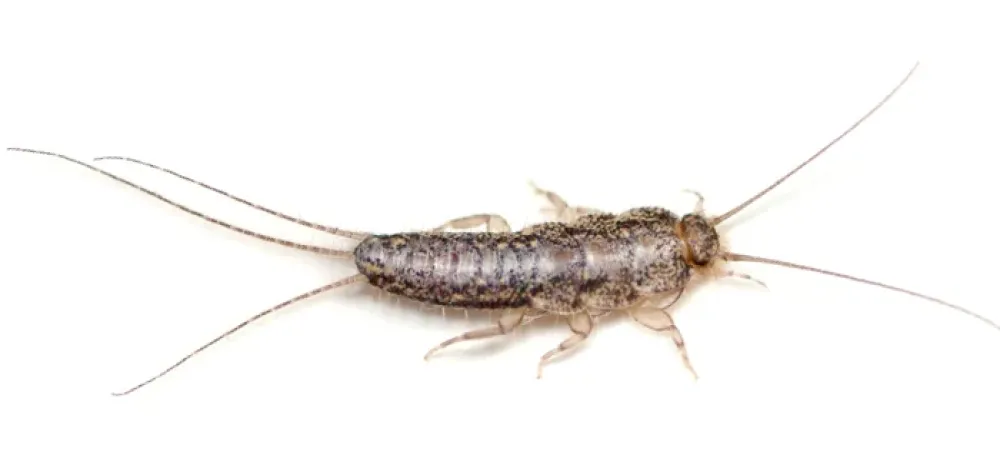
Silverfish don't show up in basements by accident. The conditions down there are almost purpose-built for them — and humidity is the single biggest reason why.
What You Need to Know
- Silverfish need relative humidity above 75% to survive, and most Westchester County basements hit that threshold regularly.
- Stored paper, cardboard, and clutter in damp basements give silverfish everything they need to establish and reproduce.
- Reducing basement humidity helps, but established infestations typically require professional treatment to resolve.
Spotting a silverfish dart across the basement floor usually means conditions have been favorable for some time. These insects stay out of sight, so by the time most homeowners notice them, a population is already established.
Why Basements Are a Silverfish Hotspot
Silverfish seek out very specific conditions, and basements in the greater New York area tend to check every box:
- Constant moisture from concrete: foundation walls absorb and release humidity continuously through soil contact
- Temperature differentials: warm, humid air contacts cooler foundation surfaces, creating condensation that raises local humidity levels
- Limited airflow: below-grade spaces trap moisture that above-grade rooms would naturally shed
- Seasonal spikes: late spring through early fall brings peak outdoor humidity, which basements absorb and hold
Silverfish require relative humidity between 75% and 95% to survive and reproduce. Below 50%, populations decline significantly, a threshold most unmanaged basements rarely reach on their own.
How Silverfish Enter Basements in the First Place
Silverfish are flat, fast, and flexible. Common entry points include:
- Gaps around utility and pipe penetrations in foundation walls
- Cracks along the base of the foundation
- Cardboard boxes and stored materials brought in from garages or storage units, often carrying eggs or insects that go unnoticed until they've already settled in
What's Making the Problem Worse
Humidity creates the right environment. What keeps silverfish populations growing is what's stored inside that environment. Basements tend to accumulate exactly the materials silverfish feed on, cellulose and starch-rich items that become even more attractive when kept in a damp space:
- Cardboard boxes on concrete floors: the cardboard is a food source, the concrete traps condensation beneath it, and the interior stays dark and undisturbed
- Old books and archived paper: glue in book spines, paper stock, and printed materials are all digestible to silverfish
- Natural fabrics in storage: cotton, linen, and silk contain the starches silverfish are drawn to
- Rarely accessed clutter: undisturbed spaces give silverfish safe harborage during the day and easy foraging at night
Silverfish are rarely the only pest drawn to these conditions, but they are among the most persistent.
Signs You Have a Problem
Silverfish are nocturnal and avoid light, so most homeowners notice indirect signs before ever seeing the insect itself:
- Irregular holes or yellowing in paper and cardboard, feeding leaves ragged, scraped edges rather than clean cuts
- Small pepper-like droppings near stored items, along baseboards, or in corners
- Shed scales, silverfish molt repeatedly and leave behind tiny dust-like flakes
- Surface etching on wallpaper or cardboard, a scraped or shiny finish where they've fed
- Live sightings near drains or dark corners, especially when a light is suddenly switched on
Damage tends to concentrate in storage areas that go untouched for long periods. While silverfish pose no direct health risk, the EPA notes that property damage to photographs, books, and documents can be significant over time. A room-by-room inspection of stored items and common hiding areas can help surface activity that would otherwise go unnoticed.
What You Can Do to Remove Ideal Conditions
Environmental modifications reduce favorable conditions and support the effectiveness of any treatment program. Key steps include:
- Run a dehumidifier consistently: maintaining basement humidity below 50% removes the primary environmental driver; University of Kentucky Entomology confirms populations decline significantly at this threshold
- Switch from cardboard to sealed plastic bins: removes both the food source and the harborage that silverfish rely on
- Move and inspect stored items regularly: disrupting clutter eliminates the settled conditions where populations grow undetected
When It's Time to Call a Professional
Environmental steps reduce favorable conditions; they don't eliminate an established population. Silverfish are long-lived, can survive for months without food, and concentrate in areas that aren't accessible during a basic walkthrough: wall voids, foundation sill areas, insulation cavities, and deep within stored materials.
With over 52 years serving Westchester County and New York City, the team at Suburban Pest Control has found that silverfish infestations are frequently more extensive than initial signs suggest. Professional treatment reaches the harborage areas where silverfish actually live, not just the surfaces where activity is visible. A thorough inspection also identifies the specific contributing conditions, so recommendations are tailored to the property, not generic.
If silverfish have turned up in your basement, contact our pest control team for a professional assessment. Understanding what's driving pests indoors is the first step toward keeping them out for good. We serve Westchester County, Rockland County, and the New York City metro area.