Our New York Pest Control Blog

Are you interested in learning more about pest control in New York, the pest control industry, or about local happenings? Our blog is the place to find all that and more!

Image
a tick close up
Common Places Ticks Hide on Your Property

Ticks concentrate in predictable zones — wooded borders, leaf litter, overgrown fence lines, and dense garden beds — rather than distributing randomly across a property. Wildlife movement determines where new ticks are deposited, making deer trails and rodent activity reliable indicators of where pressure will be highest. In Westchester County, blacklegged ticks are the primary concern and remain active any time temperatures are above freezing.

Read More
Image
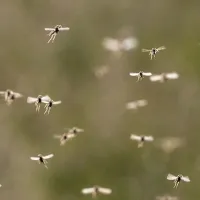
a swarm of mosquitoes
What Time of Day Are Mosquitoes Most Active?

Mosquito activity peaks at dawn and dusk, driven by temperature, humidity, and low wind conditions that favor feeding. Midday heat pushes most species into shaded resting spots, but species common in Westchester County, like the Asian tiger mosquito, bite throughout the day regardless of the clock. Post-rain periods, heavy shade, and standing water near living areas can extend activity well beyond the standard windows.


Read More
Image
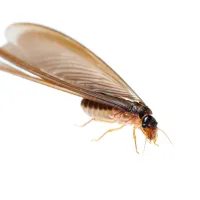
a close up photo of a termite swarmer
Why Termite Swarmers Appear at Windows Every Spring

Termite swarmers are winged reproductive termites that emerge from mature colonies each spring, drawn to windows by their attraction to light. Whether swarmers appear on the inside or outside of a window tells a different story, but the most important distinction is this: swarmers found inside a home confirm an active colony within the structure. The swarm itself is brief, but the colony producing it has typically been feeding for years before becoming visible.

Read More
Image
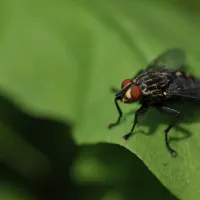
a house fly on a leaf
When House Flies Become a Year-Round Problem

House flies don't follow seasonal patterns when indoor conditions give them everything they need to survive and breed year-round. Persistent fly activity inside a heated home almost always points to an active breeding source, whether in drains, garbage, or organic buildup in hard-to-reach areas. Without identifying and addressing that source, the problem rebuilds regardless of how many individual flies are removed.

Read More
Image
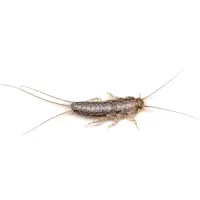
a close up image of a silverfish
Silverfish in Basements: Why Humidity Attracts Them

Silverfish in basements are primarily a humidity problem. Below-grade spaces in the greater New York area naturally accumulate moisture through concrete condensation, soil contact, and limited airflow, creating conditions silverfish need to survive. Stored cardboard, paper, and clutter make the problem worse by giving them food and harborage in the same space.

Read More
Image
centipede in basement
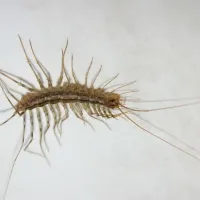
Centipedes vs Millipedes: What's in Your Basement?

Basements are a common winter hiding spot for creepy crawlers like centipedes and millipedes. This blog explains how to tell these pests apart, why they show up during colder months, and simple prevention tips to keep them out. Discover when it’s time to call a pest control professional for help.

Read More
Image
Rat hiding in attic
7 Pests That Move Indoors for Winter

When the temperature drops, pests like mice, cockroaches, and spiders often seek shelter inside homes. Learn which pests are most likely to move indoors for winter, how they get in, and the steps you can take to keep them out. Use this winter pest prevention checklist to protect your home all season long.

Read More
Get a FREE Quote
Name
Contact Info
Address (autocomplete)

We service Westchester County, Rockland County, and the New York City metro area.

By submitting this form, you are agreeing to the privacy policy.

Validation
Submission