
Why You Need To Protect Historic Homes from Winter Pest Infestation
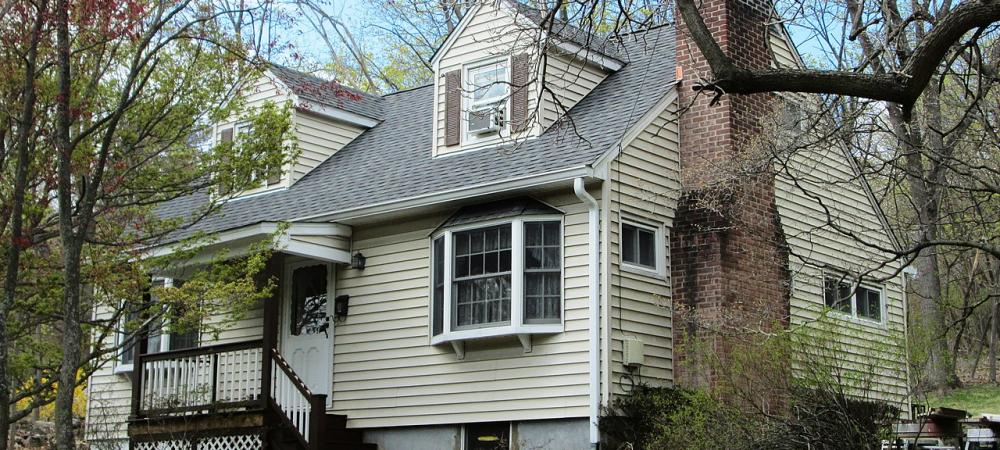
Your historic home has weathered decades—maybe even centuries—of storms, seasons, and social change. Those hand-hewn beams, original plaster walls, and vintage woodwork tell stories that modern construction simply can't replicate. But as temperatures drop and winter settles in, your home's age and character become an open invitation to unwanted guests seeking shelter from the cold.
We've seen it happen time and again: homeowners who've lovingly restored period details and maintained architectural integrity suddenly discover they're sharing their space with mice in the attic, squirrels in the eaves, or entire colonies of insects tucked behind irreplaceable trim work. The problem isn't just the pests themselves—it's that the very features that make historic homes special also make them vulnerable. Those charming gaps in the foundation, the settling that comes with age, and the materials used in older construction methods can create perfect entry points and nesting sites for winter pests looking for a warm place to wait out the cold months.
Your Home's Character Is Its Weakness
Historic homes face a unique challenge that newer construction simply doesn't encounter. While modern homes are built with pest prevention in mind—sealed foundations, consistent materials, and standardized construction—older homes were built in an era when craftsmanship prioritized beauty and durability over airtight barriers.
The materials themselves can be part of the problem. Original wood siding may have developed small cracks over time. Limestone or fieldstone foundations often have natural gaps and irregularities. Even the transition points where additions were made decades ago can create opportunities for pests to find their way inside. Winter amplifies these vulnerabilities because pests become increasingly motivated to find shelter as outdoor temperatures plummet.
The Root of Your Winter Pest Problem
The root cause extends beyond a few cracks or gaps. Historic homes often have features that inadvertently create ideal habitats for pests. Unused chimneys, crawl spaces with dirt floors, and unfinished attics provide both entry points and comfortable nesting areas. The settling and shifting that naturally occur over decades can create new gaps in places that were once sealed tight. Temperature changes also play a significant role. Each year, rodents invade an estimated 21 million homes in the U.S., with the majority of infestations occurring in the colder months. As outdoor temperatures drop, the warmth of your home's interior becomes increasingly attractive to creatures seeking refuge. The contrast between cold outdoor air and heated indoor spaces can actually draw pests toward your foundation, where they search for any possible entry point.
Could These Signs Mean You're Already Sharing Your Space?
Recognizing the warning signs early can make the difference between a minor intervention and major damage. Here's what homeowners with historic properties should watch for:
Physical Evidence:
- Droppings in attics, basements, or along baseboards—particularly in corners or near food storage areas
- Gnaw marks on wooden trim, especially around door frames and window sills
- Greasy smear marks along walls where rodents repeatedly travel the same paths
- Nesting materials like shredded paper, fabric, or insulation tucked into hidden spaces
Sounds and Smells:
- Scratching or scurrying sounds in walls or ceilings, especially at dawn and dusk
- Musty odors that seem to come from nowhere, which could indicate hidden nesting areas
- Squeaking or chirping sounds that may signal an established colony
Structural Indicators:
- Small holes or gaps that appear to have been widened or chewed
- Displaced insulation in attics or crawl spaces
- Damage to stored items like boxes, books, or seasonal decorations
- Unexplained damage to electrical wiring or plumbing insulation
If you notice any combination of these signs, the situation may already require attention. The longer pests establish themselves, the more challenging removal becomes, and the more damage they can cause to your home's irreplaceable features.
The DIY Approach: What Most Homeowners Try First
We understand the instinct to tackle pest problems on your own. After all, you've probably invested countless hours and resources into maintaining your historic home, and one more project might seem manageable. Many homeowners start with store-bought traps, bait stations, or attempts to seal visible gaps.
These efforts can provide temporary relief for minor issues, but they rarely address the full scope of what's happening in an older home. The challenge is that pests in historic properties aren't just entering through one or two obvious locations—they're likely using multiple pathways you can't easily access or even see.
The time investment alone can be substantial. More importantly, improper sealing techniques can actually trap moisture in walls, leading to rot or deterioration of historic materials. Using the wrong products on period surfaces can cause discoloration or damage that's difficult or impossible to reverse.
There's also the reality that pests inside walls or established colonies may not respond to surface-level treatments. If you're dealing with more than a single pest that wandered in, the problem likely extends beyond what you can reach with consumer products.
How Professional Services Address Historic Home Challenges
Professional pest management for historic homes requires a different approach than standard residential treatment. At Suburban Pest Control, we've spent 52 years understanding how older construction methods create unique vulnerabilities—and how to address them without compromising your home's character.
Our approach typically involves several key steps:
Comprehensive Assessment: We start by identifying not just where pests are currently active, but all the potential entry points your home's age and construction might offer. This includes examining foundation integrity, checking for gaps where additions meet original structure, and assessing areas where different building materials intersect.
Customized Treatment Plans: Historic homes require solutions that balance preservation with pest control. We select methods and materials that effectively address infestations without damaging original plaster, woodwork, or other period features.
Strategic Exclusion: Rather than just treating active infestations, we focus on comprehensive exclusion—sealing entry points in ways that respect your home's architectural integrity while preventing future problems.
Long-term Monitoring: Because older homes continue to settle and shift, we provide ongoing monitoring to catch new vulnerabilities before they become major issues.
If you're noticing signs of pest activity or simply want to protect your historic home proactively, reaching out for a professional assessment could save you from more extensive—and expensive—problems down the line.
Investment vs. Consequences: Understanding the True Costs
When weighing whether to hire professionals, consider what's actually at stake. The direct costs of pest control services need to be measured against potential losses and damage.
Potential Consequences of Untreated Infestations:
- Structural damage to irreplaceable historic woodwork, beams, or flooring
- Compromised insulation reducing energy efficiency throughout winter
- Health risks from contamination and disease transmission
- Damage to stored belongings, family heirlooms, or vintage furnishings
- Decreased property value if infestations go unaddressed
- Potential electrical hazards from chewed wiring
Professional Service Investment: A typical inspection and treatment plan might cost several hundred dollars, while addressing major structural damage from prolonged pest activity could run into thousands, not to mention the irreplaceable loss of original architectural elements.
Many homeowners find that the cost of professional services represents a fraction of what they'd spend repairing damage from an established infestation. When you factor in the specialized knowledge required to work safely with historic materials, the value proposition becomes even clearer.
Building Lasting Protection Into Your Winter Routine
Beyond addressing immediate pest concerns, protecting your historic home means building prevention into your regular maintenance routine. Gaps of 1/16 inch or less will permit entry of insects and spiders; 1/4 inch-wide gaps are large enough for entry of mice, which means even small openings in your foundation or exterior walls deserve attention.
Year-Round Prevention Strategies:
- Conduct seasonal inspections of your foundation, particularly after periods of extreme temperature changes
- Keep vegetation trimmed back from your home's exterior to eliminate pest highways
- Address moisture issues promptly, as dampness attracts many common pests
- Store firewood away from your foundation and inspect it before bringing it indoors
- Maintain proper drainage to prevent water accumulation near your home's base
Regular professional inspections can catch developing problems before they require extensive intervention. For historic homeowners, this proactive approach often proves more cost-effective than reactive treatments after infestations are established.
Your Historic Home Deserves Specialized Care
Your home has survived decades or centuries by receiving thoughtful, appropriate care from the people who've loved it. Protecting it from winter pest infestations is simply another chapter in that ongoing story of preservation. The combination of your home's age, its unique construction, and the particular challenges winter brings creates a situation where specialized expertise makes a real difference.
Professional pest management isn't about replacing your care and attention—it's about supplementing your efforts with knowledge specific to historic properties and older construction methods. The goal is always to preserve what makes your home special while ensuring it remains comfortable and healthy for your family.
Take Action Before Winter's Worst Arrives
As temperatures continue to drop, pests become increasingly desperate for shelter. The time to protect your historic home is before they establish themselves for the season. Early intervention means less damage, lower costs, and greater peace of mind throughout the cold months ahead.
Suburban Pest Control has been helping homeowners protect historic properties since 1974. We understand the balance between effective pest management and architectural preservation. Contact us today for a comprehensive assessment tailored to your home's unique needs. Don't let winter pests write themselves into your home's history; let's work together to keep your property protected for generations to come.
Sources
- University of Kentucky, Department of Entomology - "How to Pest-Proof Your Home" - https://entomology.mgcafe.uky.edu/ef641
- University of Florida IFAS Extension - "Landscaping Methods to Prevent Pests from Entering Your Home" - https://edis.ifas.ufl.edu/publication/IN1397
- University of Georgia Extension - "Management of Pest Insects in and Around the Home" - https://extension.uga.edu/publications
- University of Delaware Art Conservation Program - "Pests and Preventive Conservation" - https://artcons.artsci.udel.edu/family-treasures-series/attics-and-base…
- National Pest Management Association - "9 Cities Expected to See Increased Rodent Populations in 2025" - https://www.pestworld.org/news-hub/pest-articles/cities-facing-increase…