



What should I do if I find a nest near my home?

Stay away from it and don’t try to spray or knock it down. Call a professional—some nests house thousands of aggressive insects.

How can I tell if I have a wasp or hornet problem?

Signs include frequent insect activity, visible nests under eaves, decks, or trees, and buzzing sounds from walls or attics. We can identify the species and the level of infestation.

Is it dangerous to try and remove a nest myself?

Yes! Many stinging insects are highly aggressive when their nest is disturbed. DIY removal can lead to serious injury—especially if you’re allergic or the nest is hidden.

What are the health risks of a rodent infestation?

Rodents can pose serious health risks due to the diseases and parasites they carry:

  • Disease Transmission: Rodents can spread diseases such as salmonella, hantavirus, leptospirosis, and lymphocytic choriomeningitis virus (LCMV) through their urine, droppings, and saliva.
  • Parasites: Rodents are known to carry fleas, ticks, and mites, which can infest your home and lead to additional health risks for humans and pets.
  • Allergies: The dander from rodents, along with their droppings and urine, can trigger allergies and asthma in sensitive individuals.

What kind of damage can rodents cause?

Rodents, especially rats and mice, have a strong instinct to chew. They can gnaw through various materials to gain access to shelter, including:

  • Wood: Rodents can chew on wooden beams, walls, and floors, weakening the structural integrity of your home.
  • Drywall: Mice and rats can chew through drywall, causing holes and exposing insulation.
  • Insulation: Rodents often chew through insulation, leaving areas exposed and reducing your home's energy efficiency.
  • Pipes and Wires: Rodents frequently chew on electrical wires, which can cause short circuits, electrical fires, or power outages. They can also damage water pipes and gas lines, leading to leaks and increased risk of water damage or gas hazards.

Rodents can damage personal items by chewing or nesting in them, such as furniture, clothing, books, and electronics.

Can I handle rodent control on my own?

While DIY rodent control products are available, they are often ineffective for large infestations or in cases where rodents have found safe harborage areas within your home. Professional rodent control is more comprehensive, as it includes inspection, exclusion, and long-term monitoring to prevent future infestations.

How do I prevent rodents from coming back?

To prevent future rodent infestations, consider the following tips:

  • Seal entry points: Ensure windows, doors, vents, and foundations are secure.
  • Remove food sources: Store food in airtight containers and dispose of trash regularly.
  • Keep the environment clean: Clean up crumbs, spills, and pet food promptly.
  • Trim trees and shrubs: Rodents often use branches to access roofs and attics, so keep trees trimmed away from the home.

What causes a rodent infestation?

Rodents often seek shelter and food inside homes and businesses due to:

  • Easy access to food: Open food containers, trash, or pet food are attractive to rodents.
  • Entry points: Gaps around windows, doors, and vents, as well as cracks in foundations, provide access.
  • Harborage: Warm, dry spaces in attics, basements, and behind walls offer a safe environment for rodents to nest and breed.

What are the signs of a rodent infestation?

  • Droppings: Small, dark droppings near food sources, entry points, or in hidden areas.
  • Gnaw marks: Evidence of chewing on wires, furniture, food packaging, or insulation.
  • Nesting material: Rodents will gather soft materials like fabric, paper, and insulation to create nests.
  • Sounds: Scratching, scurrying, or squeaking noises, especially at night.
  • Odor: A musty or urine-like smell, often indicating an active infestation

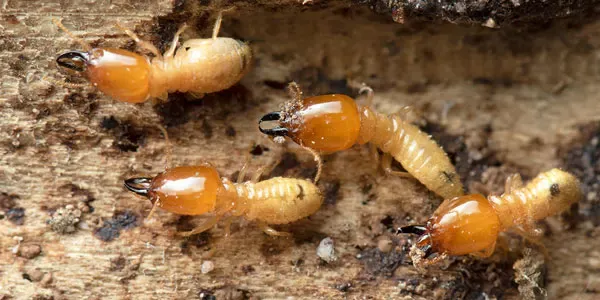
What are the most common types of termites?

There are three primary types of termites that can infest homes and properties: Subterranean, Drywood, and Formosan termites. Each type behaves differently, has unique characteristics, and requires different approaches to control and treatment. Subterranean termites are the most destructive and widespread type of termites in the United States!