
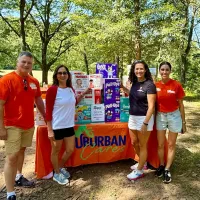
(L to R): Ken Unger, Owner, Suburban Pest Control; Andrea Parada, Member, JLCW; Kathleen Fischer, Vice President, Community, JLCW; and Mandy Berkowitz, Chief Marketing Officer, Suburban Pest Control
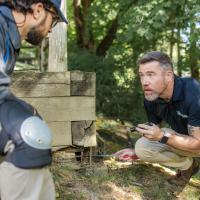
Yonkers, NY, October 9, 2025 – As temperatures remain unseasonably mild across the region, Suburban Pest Control is urging homeowners and property managers in Westchester County, Rockland County, and New York City to remain vigilant.

Yonkers, NY, October 6, 2025 – Suburban Pest Control, serving Westchester, Rockland, and New York City, is excited to welcome Timothy Best, a board-certified entomologist, as its new Director of Training.

Fall in New York means more spiders inside your home. Learn how to identify common house spiders, spot dangerous ones like black widows and brown recluses, and when it might be best to call for professional help.
Why should I choose Suburban Pest Control?
Pest problems can threaten your operations, damage your reputation, and lead to failed inspections…and no one has time for that.
That’s why businesses across Westchester, Rockland, and New York City choose Suburban Pest Control as their trusted partner. Since 1974, we’ve delivered proactive, industry-specific pest management solutions that help keep your facility pest-free and audit-ready.
Here’s what sets us apart:
- Customized commercial programs tailored to your facility type and compliance needs
- Detailed service reports and documentation for audits and inspections
- Fast response times: 7 days a week, with priority service for clients
- Our Pest-Free Guarantee: if covered pests return, so do we, at no extra charge
- Fully licensed professionals who understand your industry’s regulations
Whether you run a food facility, manage properties, or oversee logistics, we’re here to help you reduce risk, stay compliant, and avoid costly surprises.
Ready to take pest control off your worry list? Let’s talk.
Why should I choose Suburban Pest Control?
Most people don’t have time to deal with a surprise pest problem.
That’s why Suburban Pest Control focuses on proactive, year-round protection — so you can focus on life, not pests.
Here’s what makes us different:
- Established in 1974 and trusted by thousands of NYC, Westchester, and Rockland residents
- Family-owned and local, so you’re not calling some faraway franchise
- Proud members of the National Pest Management Association
- Our affordable Proactive Protection Membership includes:
- Year-round treatments
- Our Pest-Free Guarantee: if pests come back, so do we. For free.
- Year-round treatments
Whether you own a home, manage a property, or run a business, you’ll get fast service, expert techs, and real peace of mind.
Call us today to schedule your free pest assessment, and we’ll take care of the rest.
What should I expect during the initial assessment?
During your complimentary pest assessment, a pest control expert will:
- Understand what you’re seeing, hearing, or experiencing
- Ask a few quick questions about your property and pest activity
- Explain what might be causing the issue and how we typically treat it
- Recommend your next best step — whether that’s a service visit or a more comprehensive inspection
You’ll get real answers and expert guidance in just a few minutes. No obligation, no pressure.
If it sounds like a good fit, we can often schedule your first visit the same day or next.
How do I schedule a pest assessment?
Scheduling a pest assessment is easy.
Just call us at 919-355-5695 or book online anytime.
Our friendly team of pest professionals will answer your questions, walk you through your options, and get your property on the schedule — often within 24 hours.
The best part? Assessments are quick, no-pressure, and free.
Let’s get ahead of the pests before they get into your home.